







Search Results for: Red Honey Processing
A Complete Guide to Honey Processing: The Processing Differences and Flavor Characteristics of White Honey, Red Honey, and Black Honey, with a Discussion of Costa Rica Front Street Coffee Morning Light Estate Red Honey Catuai
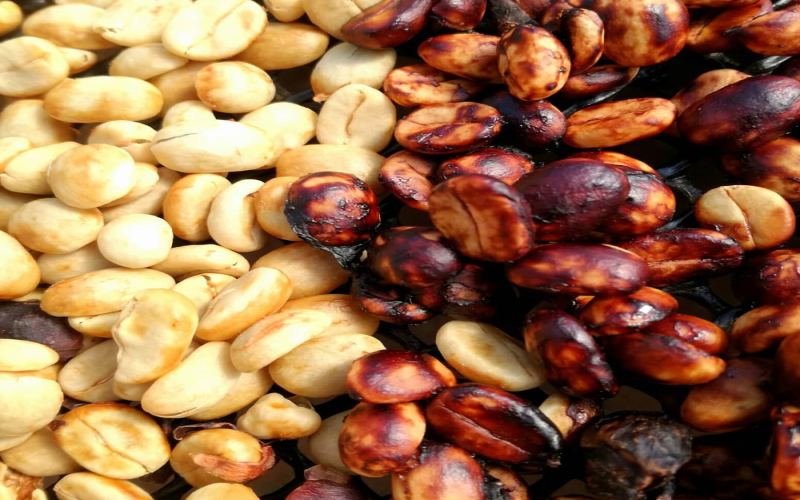
It's also honey processing, so why are some beans clean and bright, while others are wild like red wine? The key lies in the difference in the amount of mucilage retained and the frequency of turning. White honey is closest to washed, black honey is almost equivalent to natural, and red honey is right in between, becoming the most common honey color type on the market. This article will start with the processing method and break down the fermentation logic and flavor direction of white honey, yellow honey, red honey, and black honey one by one. Using Front Street Coffee's red honey processed Catuai from the Tarrazu region of Costa Rica as an example, it will take you from green beans and variety to cupping, so you can fully experience the sweetness and charm of honey processed coffee. [more…]
An Analysis of the Differences Among Black Honey, Red Honey, and Yellow Honey Processing: A Comprehensive Comparison from Pectin Retention to Flavor Expression
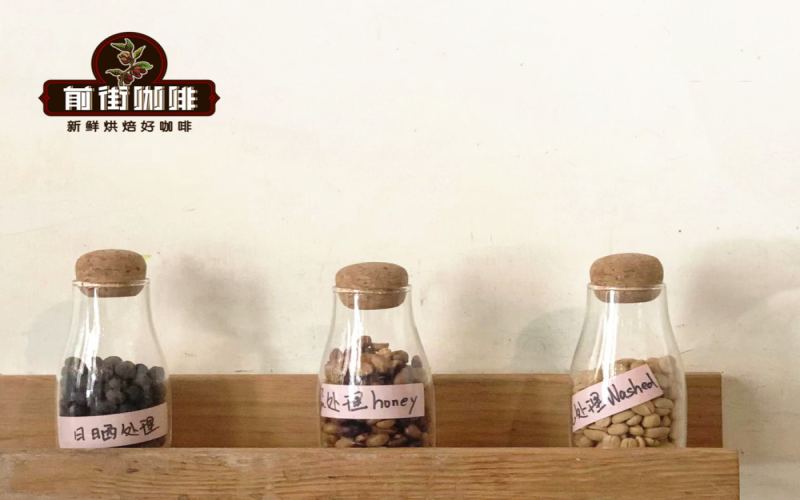
In the field of coffee post-processing, honey processing is an important method that falls between washed and natural, and is widely used in Central American producing regions such as Costa Rica. Depending on the proportion of mucilage retained, the drying time, and the frequency of turning, honey processing can be further divided into several tiers, including black honey, red honey, and yellow honey. Using three beans—black honey, red honey, and yellow honey—as samples, this article conducts a systematic comparison from green bean appearance and roasting curves to cupping flavors, helping coffee enthusiasts understand the practical impact of different honey processing methods on the final flavor direction, while also providing a reference for everyday purchasing and brewing. [more…]

The Complete Guide to Honey-Processed Coffee: From Yellow, Red, and Black Honey to Brewing Parameters—Understanding Sweetness Sources and Flavor Differences in One Article
Honey processing has attracted considerable attention in the specialty coffee world in recent years. Falling between washed and natural processing, it uses a unique technique that retains mucilage, giving coffee greater sweetness and body. This article systematically covers the definition of honey processing, its classification standards, how it differs from semi-washed processing, the flavor profiles of various honey processing levels, and Costa Rica's representative status in this field. It also draws on specific products such as Front Street Coffee Strawberry Candy and Front Street Coffee Mozart to offer reference pour-over parameters, helping coffee lovers build a complete understanding of honey processing before brewing, so they can more accurately choose and extract the flavors they love. [more…]
A Detailed Guide to Costa Rican Honey-Processed Coffee Bean Grades: Processing Differences and Flavor Comparison of Black Honey, Red Honey, Yellow Honey, and White Honey
Honey processing is a signature processing method for Costa Rican coffee, but many people do not know that, depending on the degree of mucilage retention, honey processing is actually divided into several grades, including black honey, red honey, yellow honey, and white honey. Each grade has its own requirements for the amount of mucilage removed, drying time, and turning frequency, and the resulting flavors are completely different. This article takes Front Street Costa Rica Diamond Series Black Honey as an example to break down in detail the processing characteristics and flavor trends of each honey grade, while also introducing the raisin honey process that has become popular in recent years, and includes Front Street Coffee's roasting curve, cupping report, and brewing parameters to give you a comprehensive understanding of the appeal of Costa Rican honey processing. [more…]

A Complete Analysis of Costa Rican Honey-Processed Coffee Bean Flavors and Processing Methods: From Semi-Washed to Yellow, Red, and Black Honey
The honey processing method originated in Costa Rica and represents an improvement and refinement of Brazil's pulped natural process. After removing the skin and pulp, it retains varying proportions of mucilage for sun-drying. Depending on the amount of mucilage retained and the duration of sunlight exposure, it is further classified into three grades—yellow honey, red honey, and black honey—with flavors ranging from balanced and sweet to intense and rich. This article systematically reviews the operational procedures, flavor characteristics, and grading logic of pulped natural and honey processing, and offers brewing recommendations for two representative beans from Front Street Coffee—the Brazil Red Bourbon and the Costa Rica Geisha—to help coffee enthusiasts gain a deeper understanding of the intricacies of this processing method. [more…]
Honey Processing Fully Explained: From Pectin Retention to Flavor Differences and Process Evolution of Yellow, Red, and Black Honey
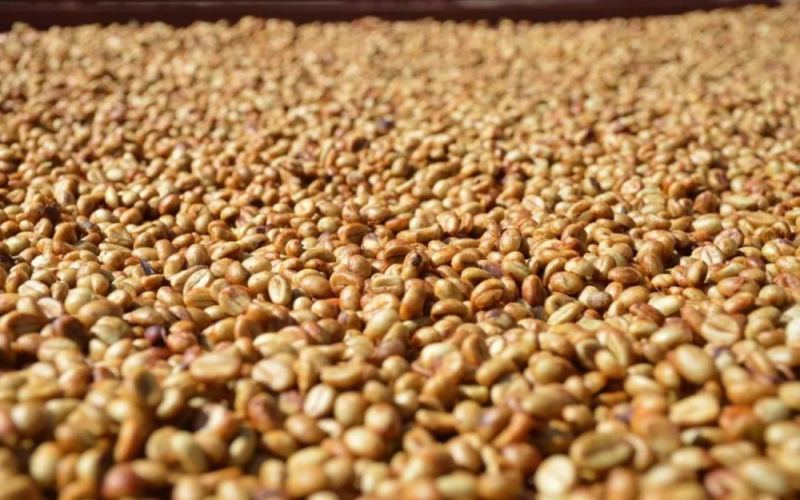
Honey processing is a coffee processing method that falls between natural and washed processing. Its name comes from the Spanish word "Miel" (honey), and it was first popularized by Costa Rica. By retaining different proportions of mucilage, honey processing gives coffee a full-bodied sweetness and bright acidity while greatly reducing water usage. Depending on how much mucilage remains, it is further divided into white honey, yellow honey, red honey, black honey, and other types, each differing in drying time, turning frequency, and flavor expression. This article will systematically sort out the origin, processing principles, and classification standards of honey processing, and introduce the Guatemala New Oriental Geisha coffee beans recommended by Front Street Coffee. [more…]
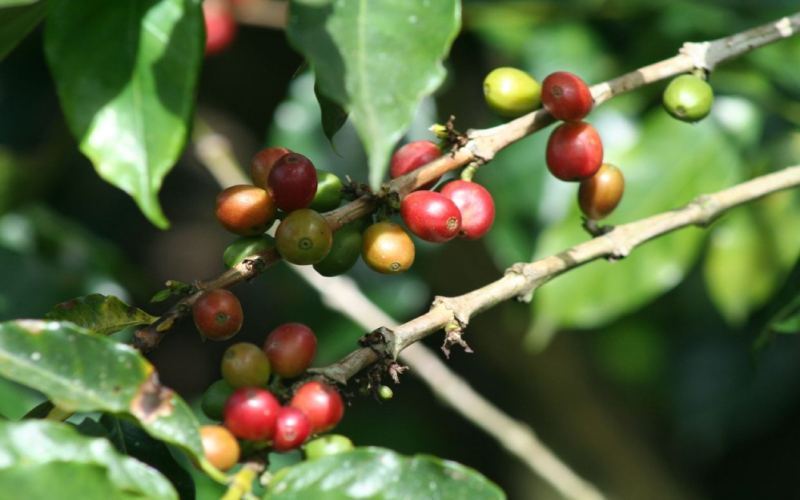
The Evolution and Classification of Costa Rican Honey-Processed Coffee Beans: A Complete Guide to Yellow Honey, Red Honey, Black Honey, and Raisin Honey Processing
Although Costa Rica introduced coffee from Cuba as early as 1729, it long supplied the United States with commercial beans, and its transition to specialty coffee is only a matter of the past decade. To increase export value, the government established a coffee trust fund, and estate owners turned to honey processing one after another, using fine fermentation to create distinctive flavors. This article will review this history, explain in detail the fermentation differences between white honey, yellow honey, red honey, and black honey, and introduce the innovative process of raisin honey processing. The article also specially includes representative products using honey processing methods, such as Front Street Blackberry, Front Street Mozart, and Front Street Strawberry Candy · Geisha Blend, for the reference of coffee lovers. [more…]
The Three Grading Levels of Costa Rican Honey-Processed Coffee: A Detailed Explanation of the Differences Between Yellow Honey, Red Honey, and Black Honey Processing
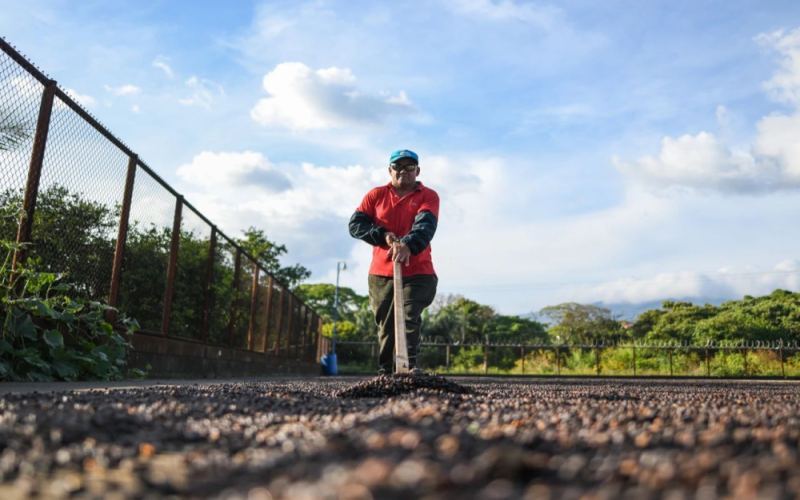
Some coffee estates in Costa Rica classify honey processing grades by the color of the green beans, giving rise to three types: yellow honey, red honey, and black honey. The essence of these color differences lies in the varying duration of sunlight exposure the coffee receives during the drying stage, which in turn affects the drying speed, processing difficulty, and final flavor expression. Yellow honey receives the most sunlight and can complete drying in about a week; red honey, due to weather or shading measures, requires two to three weeks; black honey is kept in a dark environment throughout, taking at least two weeks, with complex procedures and heavy labor input, and is also the most expensive. Front Street Coffee takes you through an in-depth look at the craft characteristics and differences of these three honey processing methods. [more…]
In-Depth Analysis of Honey Processing: A Comparison of Craft Differences and Flavor Characteristics Across Yellow, Red, Black, and White Honey
Honey processing is a coffee processing method that falls between natural and washed processing. Its name comes from the Spanish word "Miel" (honey), and it first emerged in Costa Rica, where it developed into several color classifications. The different honey colors depend on the amount of mucilage retained and the degree of fermentation, resulting in flavor profiles ranging from ripe-fruit sweetness to bright acidity. This article will systematically introduce the origins and background of honey processing, its water-saving and environmentally friendly advantages, the mechanism of mucilage, and the specific differences among black honey, red honey, yellow honey, and white honey in terms of mucilage retention ratio, drying duration, turning frequency, and green bean appearance. At the same time, by combining examples such as Front Street Coffee's Guatemala New Orient Geisha, it will help enthusiasts understand the core logic and key tasting points of this processing method. [more…]
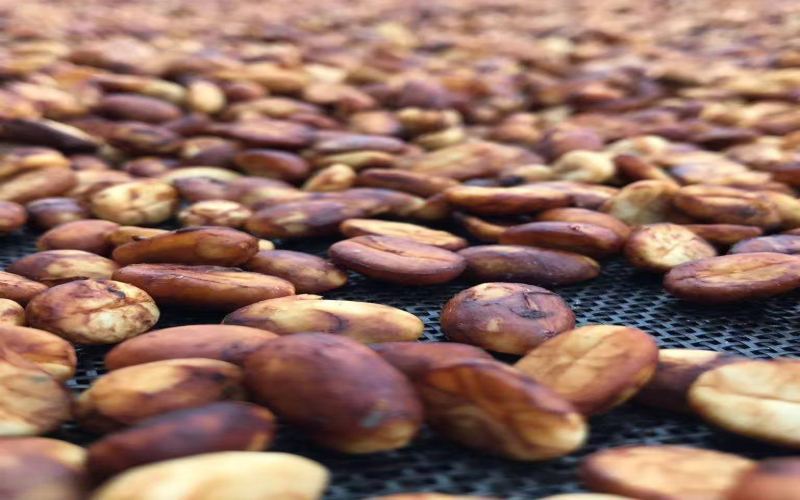
Honey-Processed Coffee Explained: Processing Differences and Flavor Comparison of Yellow, Red, and Black Honey
Honey processing is not about processing coffee with honey; rather, it is a method of processing green beans that retains some mucilage for fermentation and drying. It falls between washed and natural processes and is especially popular in Central and South America. Depending on how much mucilage is retained, it is further divided into white honey, yellow honey, red honey, and black honey, each with clear differences in drying time, turning frequency, and final flavor. From Front Street’s perspective, this article will sort out the origin and principles of honey processing, compare the technical characteristics and cupping performance of each honey color grade one by one, and introduce the flavor information of related products on Front Street’s bean list. [more…]

Yirgacheffe Red Cherry Project Coffee Bean Analysis: Flavor Differences Between Natural and Red Honey Processing and Pour-Over Techniques
On Front Street Coffee's Ethiopian region menu, Front Street Red Honey Red Cherry and Front Street Natural Red Cherry always stand out. What exactly is the Red Cherry Project? And what different flavor expressions do the natural and red honey processing methods bring to coffee? Starting from the background of the Yirgacheffe region, this article will explain in detail the origins and operation of the Red Cherry Project, compare the characteristics of natural and red honey processing techniques, and share Front Street Coffee's roasting suggestions and pour-over parameters for these two beans, leading readers to a comprehensive understanding of these two highly representative Ethiopian coffees. [more…]
What makes honey-processed coffee beans unique? A comprehensive analysis from pectin retention to the classification of black, red, yellow, and white honey
Honey processing is a coffee processing method that falls between natural and washed processing. It originated in Costa Rica, and its name comes from the Spanish word for "honey." By retaining different proportions of mucilage and undergoing controlled fermentation and drying, this method creates a diverse range of flavors, from ripe-fruit sweetness to bright acidity. Depending on the amount of mucilage left and the frequency of turning, honey processing is further divided into types such as black honey, red honey, yellow honey, and white honey. This article will systematically outline the origins, development, and flavor characteristics of honey processing, and introduce related products from Front Street Coffee, helping you gain a comprehensive understanding of this processing method that is widely popular in the specialty coffee world. [more…]
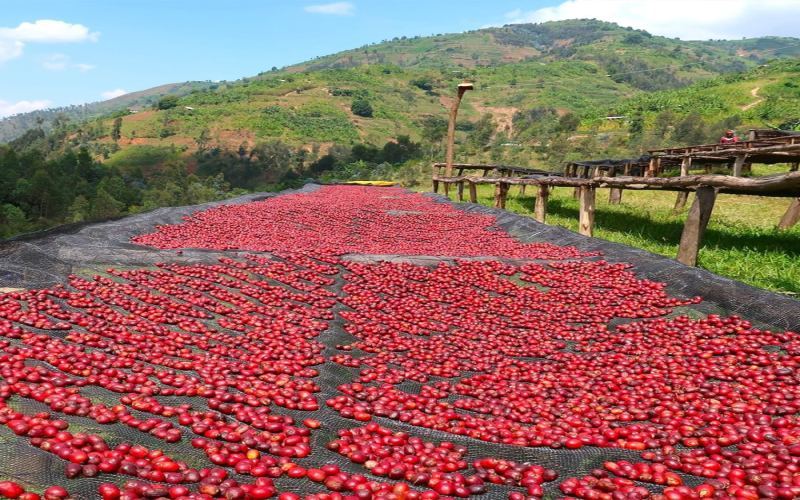
Yirgacheffe Red Cherry Natural vs. Red Honey Processing Comparison: Flavor Characteristics, Processing Methods, and Brewing Parameter Analysis
Red Cherry coffee beans from Ethiopia's Yirgacheffe region have always drawn the attention of specialty coffee lovers, and Front Street Coffee's simultaneous release of both natural and red honey processed versions often leaves buyers curious: both come from Yirgacheffe and both bear the Red Cherry name, so what exactly are the differences between these two beans? This article offers a systematic comparison covering processing methods, flavor profiles, regional background, and brewing recommendations, helping readers understand how natural and red honey processing shape two distinctly different coffee styles. [more…]
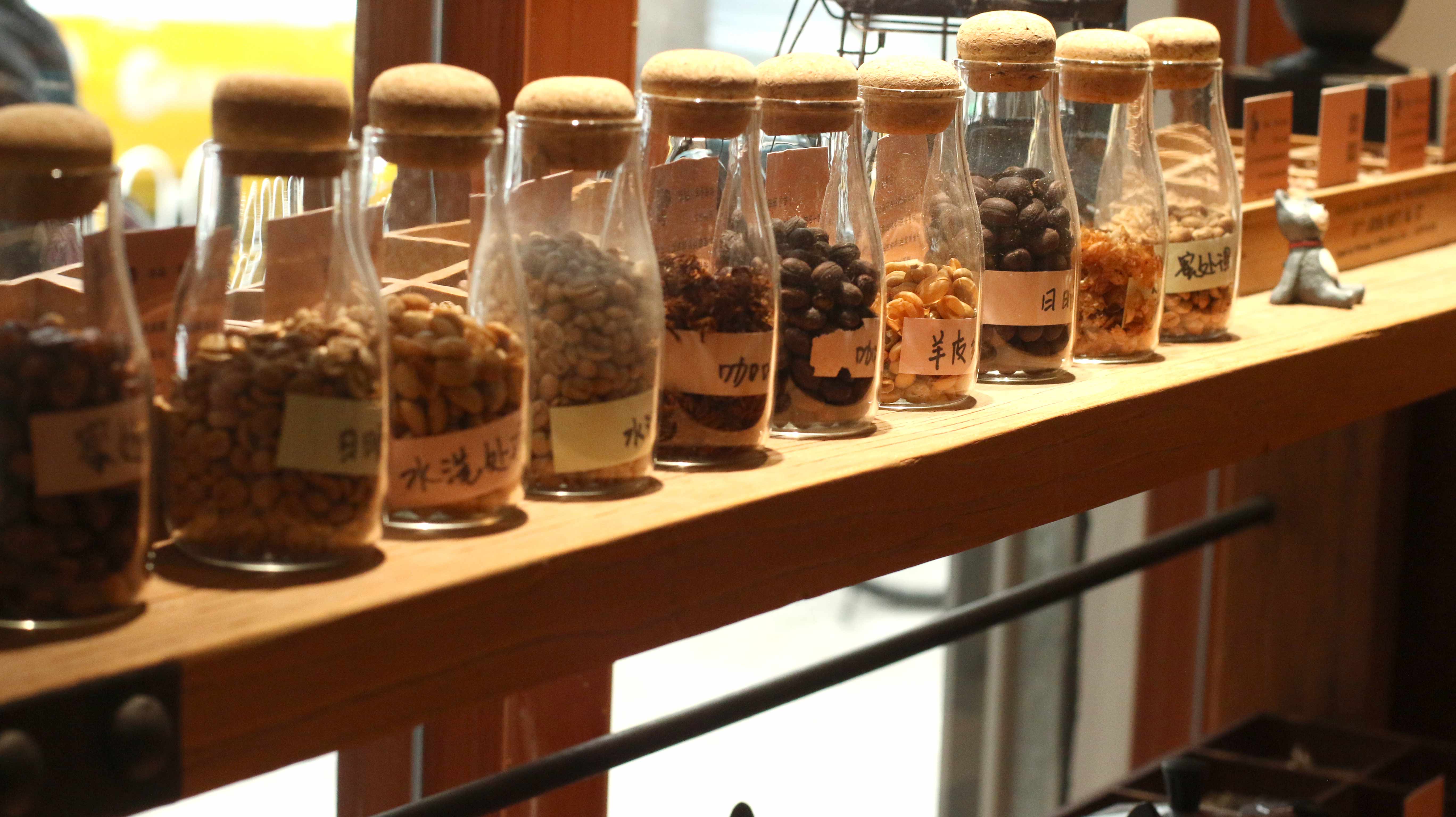
Honey-Processed Coffee Explained: Flavor and Price Differences from Pectin Retention Ratios to Yellow, Red, and Black Grading
Honey processing originated in Costa Rica. It is a processing method that draws on Brazil's pulped natural technique and improves upon it, and today it is also quite common in producing origins such as El Salvador. Local coffee farmers use it to improve bean quality and thereby earn better returns. Compared with changing tree varieties or relocating farms, improving the processing method is clearly more time- and labor-efficient. The key to honey processing lies in retaining the mucilage layer during drying. Depending on the amount of mucilage and the length of sun exposure, it is further divided into three levels: yellow honey, red honey, and black honey, with flavor, processing steps, and price differing accordingly. This article will provide a complete overview of the core knowledge of honey-processed coffee, from steps and flavor to grading standards and commercial considerations, and will also show you the specific performance of Front Street Blackberry, a Costa Rican black honey-processed bean. [more…]
The Red Cherry Project and Red Honey Processing: A Comprehensive Analysis of the Flavor Characteristics of Sidamo Coffee Beans
The Sidama region of Ethiopia is renowned worldwide for its distinctive flavor profile. This article will guide you through the origins and workings of the Red Cherry Project, analyze the technical characteristics of the red honey processing method, and provide a detailed description of the complete flavor layers—from aroma to finish—of this Sidama red honey processed coffee bean recommended by Front Street Coffee. Whether you are a novice just getting into specialty coffee or a seasoned enthusiast, you will gain a deeper understanding of Sidama coffee. [more…]
A Complete Guide to Costa Rican Honey Processing: Processing and Flavor Differences Between Yellow Honey, Red Honey, Black Honey, and Raisin Honey
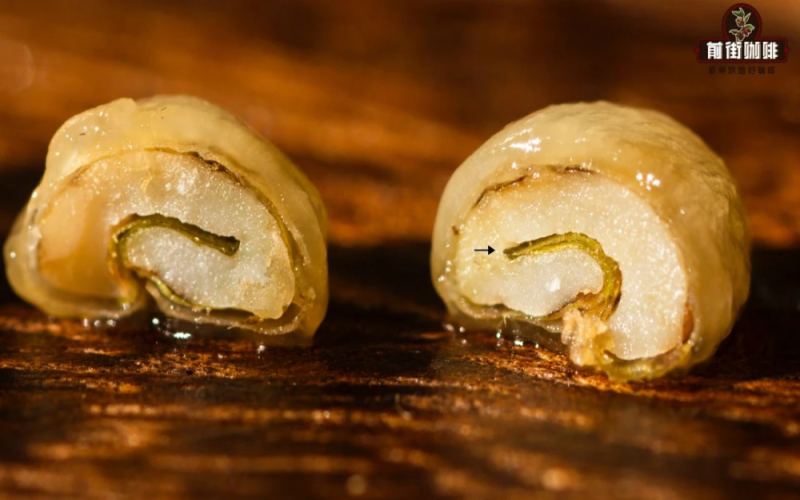
The structure of a coffee cherry, from the outside in, consists of the skin, pulp, mucilage layer, parchment layer, silver skin, and the coffee bean. The essence of a processing method is to remove these outer layers, retain the bean, and dry it. Honey processing falls between washed and natural processing, and is especially common in Costa Rica. Based on the proportion of mucilage retained, it is classified into different grades such as yellow honey, red honey, and black honey, with the more difficult raisin honey process also existing. This article breaks down in detail the complete honey processing workflow, the grade classifications, and the differences in drying, and includes recommendations for representative Costa Rican beans from the Front Street brand, helping coffee enthusiasts fully understand the flavor code of honey processing. [more…]
Honey Processed Coffee Classification Explained: Pectin Retention and Flavor Differences Between Black Honey, Red Honey, Orange Honey, Yellow Honey, and White Honey
Honey processing does not mean processing coffee with honey; rather, it is a green bean processing method that retains mucilage for fermentation and drying. It originated from Brazil's pulped natural method and was later improved in Central and South America, being subdivided by mucilage retention and turning frequency into types such as black honey, red honey, orange honey, yellow honey, and white honey. Different honey colors correspond to different drying durations, turning frequencies, and cup flavors. This article will break down everything from the structure of the coffee cherry and the properties of mucilage to each honey processing grade, and includes Front Street Coffee's Guatemala New Oriental Geisha recommendation and pour-over suggestions to help coffee lovers understand the source of sweetness in honey processing and the key brewing points. [more…]
A Comprehensive Analysis of the Evolution and Craft of Costa Rican Honey Processing: From Yellow, Red, and Black Honey to Hacienda Miramonte Strawberry Candy
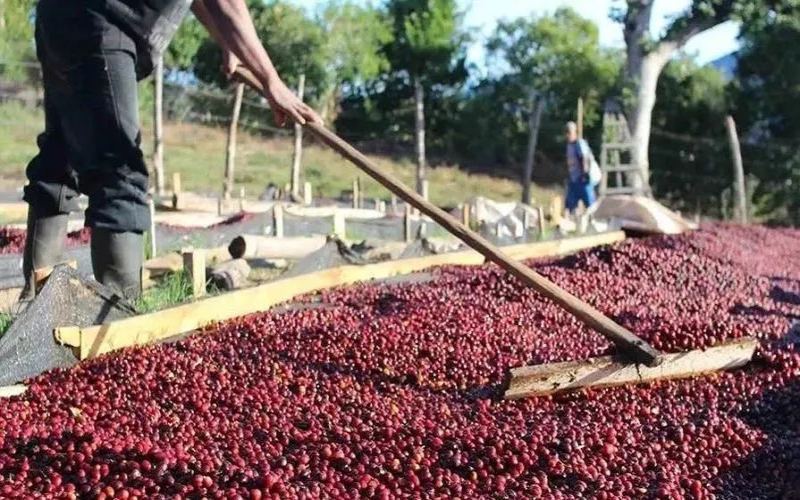
Coffee processing methods are advancing rapidly, with new techniques such as anaerobic fermentation, enzyme-assisted processing, and barrel-aging constantly emerging. However, traditional natural, washed, and the intermediate honey process remain the mainstream. The honey process originated in Costa Rica, where the high-altitude terrain and rainfall conditions prompted locals to draw on Brazil's pulped natural method and refine it, resulting in graded categories such as yellow honey, red honey, black honey, and white honey, which retain different proportions of mucilage. In recent years, raisin honey processing has emerged, and the Costa Rica Mirazu Estate Strawberry Candy introduced by Front Street Coffee is a prime example. This article will trace the development and technical details of the honey process, and introduce this bean—a blend of Geisha, Ethiopian heirloom ET47, SL28, and MAICO—which, when brewed with a V60 at a 1:15 ratio, presents flavors of strawberry, raisin, candy, nuts, and creamy honey. [more…]
Costa Rica Canet Estate Mozart Coffee: Flavor Analysis of Yellow Catuai and Red Catuai Varieties with Red Honey Processing
Located in the high-altitude Tarrazu region of Costa Rica, Canet Estate primarily cultivates passion fruit, producing limited quantities of coffee with exceptional quality. The Yellow Catuai variety grown in specific areas of the estate, after red honey processing, was named Mozart by Front Street Coffee, presenting rich flavors of strawberry, cherry, blackberry, and dried banana. This article will introduce the origin information of Mozart coffee, the variety background—the origins of Yellow Catuai and Red Catuai, as well as the specific process of red honey processing, and analyze its dry aroma, wet aroma, and sensory performance when sipping, helping coffee enthusiasts fully understand this specialty coffee with floral, fruity, and wine-like notes. [more…]

A Detailed Explanation of Costa Rica's Red Honey Processing Method and a Full Analysis of Hacienda El Mirador's Cultivated Varieties
Costa Rican honey-processed coffee has long been famous for its outstanding sweetness, and Hacienda El Mirador is one of the representatives of this style. This micro-estate, located in the Tarrazú region, sits in a valley at an altitude of 1,750 meters and mainly cultivates three varieties: Catuai, Ethíopia 47, and Geisha. The red honey-processed Catuai from Hacienda El Mirador that Front Street Coffee has acquired this time is presented as a medium-light roast and, in cupping, displays rich layers of sweet orange, cream, grapefruit, honey, and black tea. This article will guide you through the specific steps of red honey processing, as well as the cultivated varieties and estate story of Hacienda El Mirador, to explore the mystery of honey-processed sweetness together. [more…]